
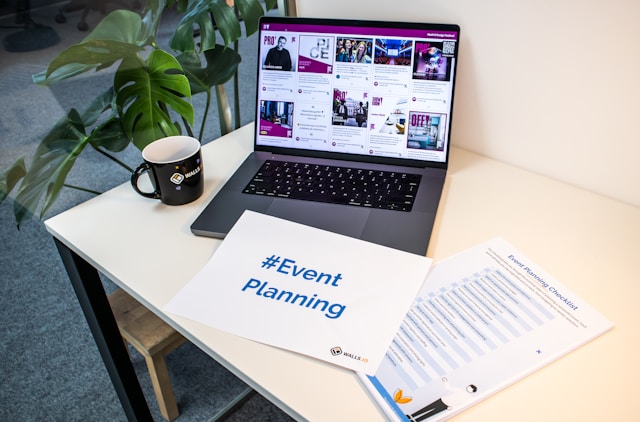
As a new entrepreneur, hosting your first event is a major milestone. It’s an exciting opportunity to launch a product, build your brand, or connect with your community. But the logistics can feel overwhelming. A successful event is the result of careful planning and attention to detail. This guide breaks down the essential steps to help you execute a memorable and effective event from start to finish.
Defining Your Event’s Purpose
Before you book a venue or start promoting your event, take a moment to think about what you want to achieve. Knowing your main goal will make it easier to decide who to invite, where to hold the event, how to promote it, and what kind of atmosphere to create.
A product launch, for example, will look very different from a casual networking event. Your event should also reflect what makes your business different, which is why a customized business is your secret to success when planning an experience that feels right for your audience. From there, choose a few simple ways to measure whether the event worked, such as attendance, new leads, sales, or social media engagement.
Venue Selection and Logistics
Your venue sets the stage for the entire experience. It should align with your event’s purpose, accommodate your expected guest count, and fit within your budget. When considering venues, think beyond cost alone. Consider factors like:
- Accessibility: Is the location easy for your guests to find? Is there ample parking or access to public transportation?
- Capacity and Layout: Does the space comfortably fit your audience? Does the layout work for your planned activities, such as a presentation stage, networking areas, or product displays?
- Amenities: What’s included in the rental? Check for essentials like tables, chairs, AV equipment, and Wi-Fi. Understanding what’s provided can prevent unexpected costs later.
Choosing a non-traditional space, such as a park, warehouse, or pop-up location, can be a great way to create a unique vibe. However, these venues often require you to bring in every single element yourself, from power to seating.
Ensuring Guest Comfort and Safety
A guest who feels uncomfortable or unsafe won’t have a positive experience, no matter how great your content is. To truly provide comfort, you have to anticipate your guests’ needs throughout the event. This includes providing refreshments, setting a comfortable temperature, and planning for clear signage so people know where to go.
Sanitation is an important but often overlooked component of guest comfort, especially for outdoor or unconventional venues. You must provide clean and accessible restroom facilities. For many events, a reliable porta potty rental is the most practical solution to ensure you have adequate capacity for your crowd. Also, consider safety by keeping a basic first-aid kit on hand, keeping walkways clear, and being aware of any potential hazards in the space.
Permits and Regulatory Compliance
Ignoring local rules and regulations can shut your event down before it even starts. Depending on your location and the nature of your event, you may need permits for various activities. Common permits include those for serving food, playing amplified music, gathering in a public park, or selling merchandise.
Start by contacting your local city or county clerk’s office. They can provide a checklist of what’s required for an event of your size and type. This is a crucial part of event management that protects you, your business, and your guests. Give yourself plenty of time to complete the application process, as it can sometimes take several weeks.
Post-Event Evaluation for Growth
The work doesn’t end when the last guest leaves. Taking time to review the event can help you understand what went well, what fell short, and what you should change next time. Start by asking attendees for feedback through a short survey or follow-up email. Their comments can highlight things your team may have missed.
Then, compare the results with the KPIs you set during planning. Look at attendance, leads, sales, engagement, and other goals that mattered to the event. Review your budget as well to see where you stayed on track and where costs got out of hand. A quick team debrief can also help uncover practical lessons while everything is still fresh.
Your first event may not go perfectly, and that’s okay. Each one gives you a better understanding of your audience and what works for your business. Take those lessons forward, make the necessary changes, and use them to create stronger events in the future.