
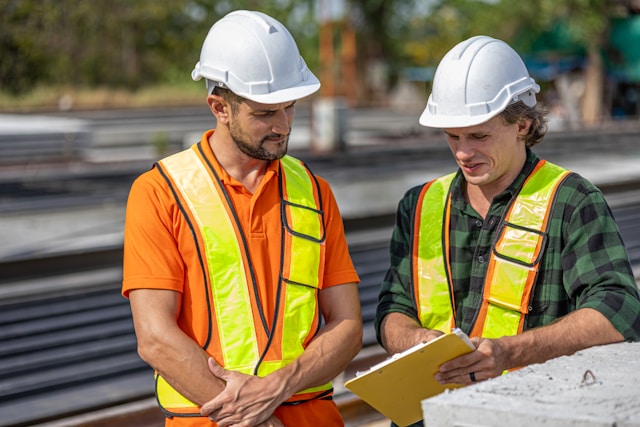
Building a career in construction means you get to create real, lasting things. It’s an industry known for being stable, offering a chance to grow from an entry-level job to a skilled trade or even a project manager. But success here isn’t just about hard work. It also takes specific skills, a dedication to safety, and a willingness to keep learning as the industry changes.
The Foundation of a Construction Career
Every construction career starts with solid practical skills and a strong work ethic. When you’re just starting out, general laborers are the backbone of any project. They handle site prep, move materials, and help skilled tradespeople. This hands-on experience is incredibly valuable, showing you firsthand how a project comes together from the ground up. Many people find their calling during this phase, discovering an interest in specific trades. Entry-level positions often lead to specialized fields, and many find rewarding careers in areas like concrete or through formwork jobs that provide the structure for major projects. To move up from these foundational roles, you need to be reliable, physically fit, and good at following instructions.
In-Demand Skills for Today’s Industry
As technology and building methods advance, the skills needed on a construction site have grown. While traditional craftsmanship is still crucial, a modern construction professional benefits from a diverse set of abilities. Technical proficiency is a huge plus. This means being able to read blueprints, operate heavy machinery, and use modern tools and software.
Beyond technical abilities, soft skills are just as important for teamwork and safety. Clear communication makes sure everyone on the job site is on the same page, cutting down on mistakes and preventing accidents. Problem-solving skills help you handle unexpected challenges, whether it’s weather delays or material shortages. These essential construction career skills are what set a good worker apart from a great one. Employers consistently look for candidates who are not only good with tools but can also work well with others and think critically on the fly. The top in-demand construction skills often highlight this mix of technical know-how and people skills.
Specialized Roles and Opportunities
General construction experience opens doors to many specialized trades. Each offers a distinct career path with its own challenges and rewards. Specializing often means higher earning potential and better job security, since experts in specific fields are always in demand.
Some common specializations include:
- Carpentry: Focusing on wood framing, finishing, and structural work.
- Electrical: Installing and maintaining wiring, control systems, and electrical fixtures.
- Plumbing: Working with pipe systems for water, gas, and drainage.
- Welding: Fusing metals to build or fix structures and components.
Choosing a specialty often comes down to what you’re interested in and what you’re good at. Someone with a sharp eye for detail might excel as a finish carpenter, while someone with strong analytical skills might be drawn to electrical work. Pursuing a trade lets you become a master of a specific craft and the go-to expert on the job site.
Accredited Training for Advancement
While on-the-job training is a key part of learning in construction, formal education and certifications can really speed up your career. Apprenticeship programs are a popular route, combining paid work experience with classroom learning. These programs offer a structured way to become a licensed journeyman in a skilled trade.
Beyond apprenticeships, specific certifications can make you a more valuable candidate. Safety credentials, like OSHA training, are often required to work on many sites. Certifications for operating specific equipment, such as cranes or forklifts, also expand your job opportunities. Many technical schools and community colleges offer programs in construction management, blueprint reading, and building codes. This accredited training shows you’re committed to your profession and gives you the documented qualifications employers look for when hiring for advanced roles.
Beyond the Blueprints: Project Management
For those who want to lead, the ultimate career goal in construction is often project management. A project manager oversees a construction project from start to finish. This role moves beyond hands-on labor into planning, budgeting, and coordination.
Effective project managers need a deep understanding of the entire construction process, which is why many start their careers in the trades. Key responsibilities include creating schedules, managing budgets, hiring subcontractors, and making sure the project meets all safety and quality standards. Strong communication and negotiation skills are essential for coordinating with clients, architects, and the construction crew. Moving into project management means shifting from building structures to building and leading successful teams.
A career in construction is a journey of continuous learning. By building a strong foundation of practical skills, pursuing specialized training, and developing leadership qualities, you can create a successful and rewarding professional life in this essential industry. If you’re still exploring which career path suits your interests and strengths, looking at different career options for job satisfaction can help you make a more informed choice.